
UN meets on road safety as new data suggests slow progress
Road traffic deaths declined by 21% between 2011-2020 when adjusted for population increase, according to new data released by the World Health Organization (WHO).
Despite this progress, however, road traffic crashes still claimed 1.16 million people's lives in 2025 and the real number has remained static. Road traffic injuries remain the leading cause of death among children and youth aged 5–29 years. The new WHO data was published to coincide with a United Nations High Meeting in New York.
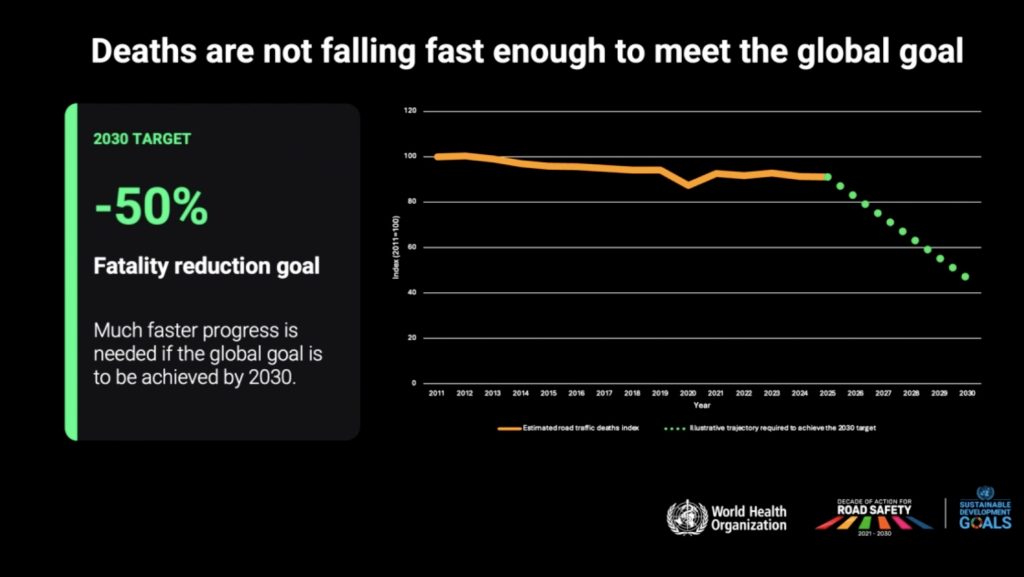
Speaking at a briefing session ahead of the High Level Meeting, Dr Etienne Krug, Director of the Department of Health Determinants, Promotion and Prevention at WHO, explained the latest fatality estimates. There has been a 9% fall in the number of deaths since 2010 which, taking account of population increase over the period, corresponds to a 21% reduction in the fatality rate. On this population-adjusted basis there has been a 54% reduction in Europe, while the Western Pacific has seen a 26% fall, Africa 16% (although the actual numbers have increased by 17% in the decade to 2021) and the Americas 5%. Motorisation has tripled over the same period. While welcoming the significant effort the fatality reduction represents, Dr Krug pointed out that it was far from the trend line needed to achieve the Sustainable Development Goal (SDG) target of a 50% reduction in road deaths and serious injuries by 2030 compared with the levels in 2021.
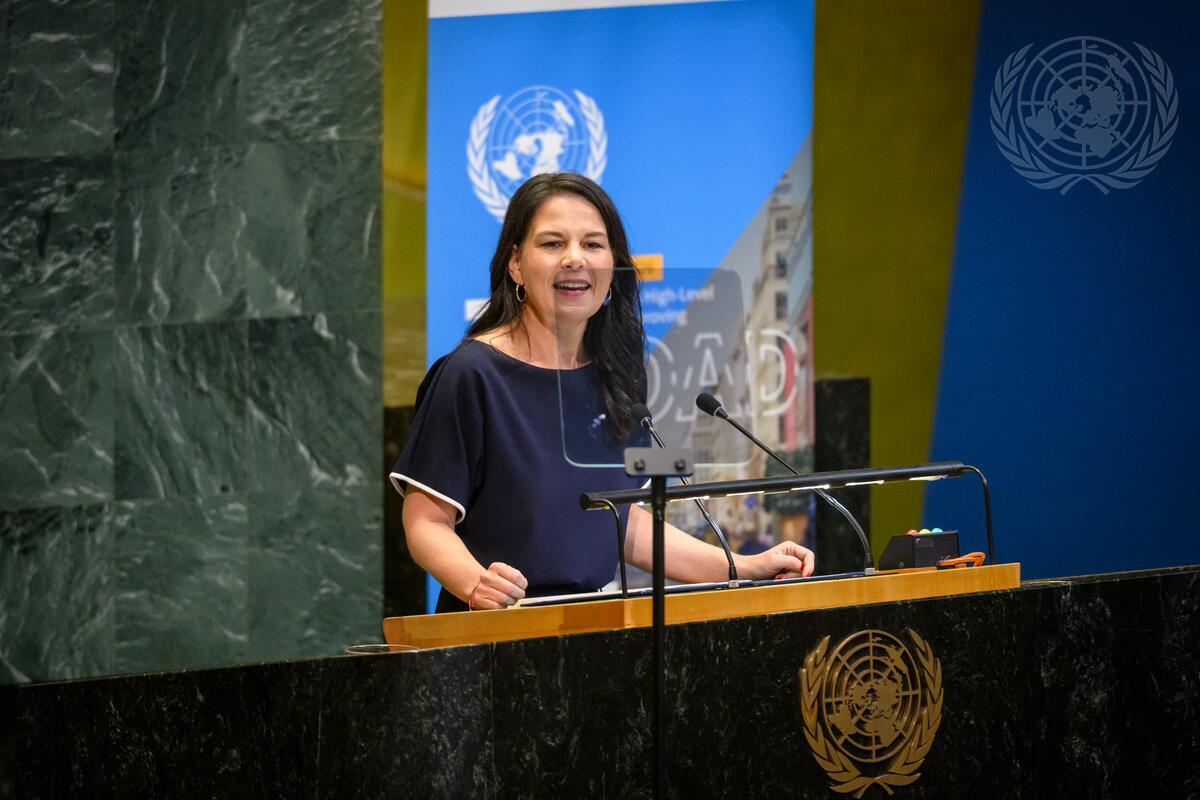
At a session chaired by the president of the General Assembly, Annalena Baerbock, who spoke movingly about the impact of road death on her own family, governments adopted a new UN General Assembly progress declaration on road safety. The declaration aims to boost global action to meet the SDG target and was overwhelmingly approved by Member States. Continuing its idiosyncratic approach to international relations under the Trump Administration, only the United States voted against.

Addressing the meeting WHO Director-General Dr Tedros Adhanom Ghebreyesus said. “This progress shows that change is possible when countries invest in safe road systems. In the last 15 years we’ve made real progress in reducing road deaths, despite surging vehicle numbers and major shifts in how people move. I commend countries for the strong political declaration they are adopting today, which aims to accelerate action to ensure more roads are designed for people first, not motor vehicles, with safety as priority. All road deaths are preventable and none are acceptable.”
The new UN declaration includes a comprehensive set of commitments by UN Member States to implement national road safety strategies with clear targets, timelines and budgets. These commitments include establishing lead road safety agencies, improving data collection and analysis, developing and enforcing stronger legislation, and ensuring that roads, infrastructure and vehicles meet key safety standards. It is the latest in a long line of UN resolutions on road safety which have seen insufficient real implementation on the ground by many of the countries adopting them.
“More than half of all road deaths are people who aren't even in a car – they are walking, cycling or riding a motorcycle. When roads are designed as if only car drivers matter, these people are left dangerously exposed,” said Dr Krug. “We know what works – strong laws and enforcement, safe infrastructure and vehicles with particular attention to lowering speed and addressing impaired driving. This declaration means we must all go further and faster.”
Photos courtesy of UN Photo