

School journeys key to England’s active travel strategy
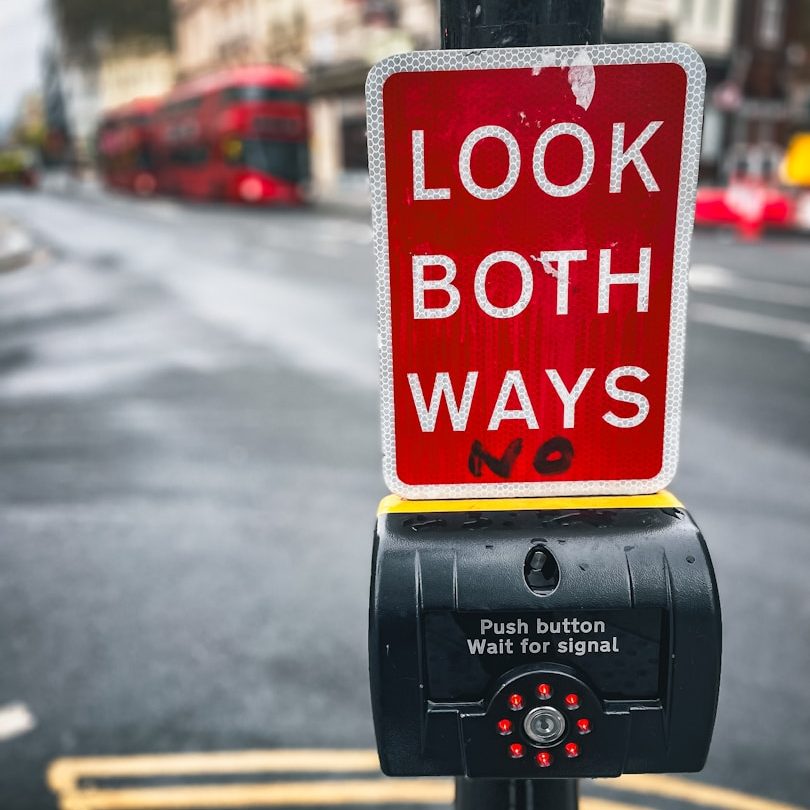
A national target for 60 per cent of children to walk or cycle to school by 2035 will be enabled with 5000 new safer routes to school and 10,000 new zebra crossings, according to a new Cycling and Walking Investment Strategy published by the government in England today.
The strategy, with promised funding of £4.5 billion until 2030, has an overall goal of ensuring 55 per cent of all journeys in towns and cities are active (up from 48 per cent now), including portions of trips that are also made by other modes. The government claims this could save households up to £1,700 a year in transport costs, significant in a time of cost of living inflation, as well as contributing to wider health objectives.
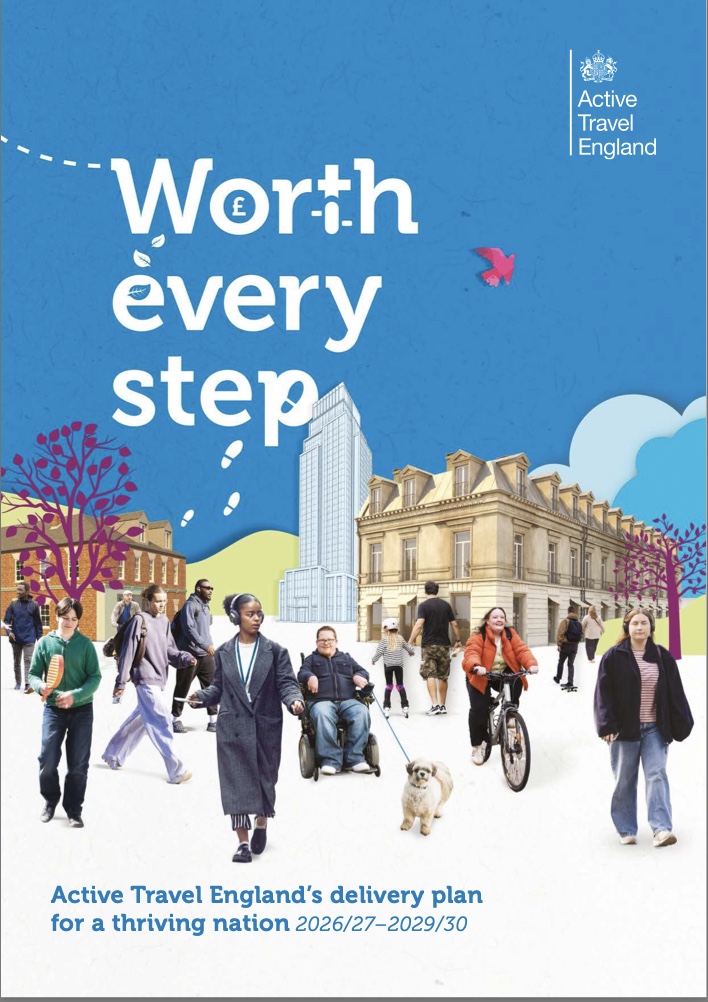
To implement the investment strategy Active Travel England has published Worth Every Step, its delivery plan. “Walking, wheeling and cycling should be a practical, affordable and accessible transport option, particularly for short, everyday journeys – and as part of longer trips. Better streets, routes and placemaking support lower household costs, improve local places, increase children’s independence and help people build physical activity into their daily routines”, says the report.
The goal of increasing the proportion of active travel by school students aged 5-16 from 45 per cent to 60 per cent will be supported with financial and technical assistance packages to local authorities and a national ‘safe routes to school’ campaign. Active Travel England estimates that if 5 per cent of schools, around 1000 schools, met best practice for walking and cycling it would mean 160 million fewer car trips each year. The plan is aligned with the target in the Road Safety Strategy for a 70 per cent reduction in child death and serious injury in road traffic crashes by 2035.
Launching the strategy, Transport Secretary Heidi Alexander said: “Too many people would like to walk, wheel or cycle more often but don’t feel they have safe and convenient options to do so. Our new cycling and walking investment strategy sets out how we will change that, with ambitious targets, record levels of investment and a clear plan to make active travel a practical choice for millions more journeys.”
The CEO of Living Streets, Catherine Woodhead, welcomed the ambition of the strategy: “As the charity behind the country’s first-ever zebra crossings, we’re delighted there will be 10,000 more on our streets. Side road zebras and the commitment to deliver 5,000 safer routes to school will make healthier travel choices for families much easier.”
Obstacles to delivery could include insecurity of the financing, which is not ringfenced, and the willingness of individual local councils to implement. A previous investment strategy with ambitious walking and cycling targets launched by prime minister Boris Johnson was derailed by a political pro-car turn from his successor-but-one Rishi Sunak. Given current fiscal pressures, there is no guarantee that the funding will not be re-routed to other priorities. The large increase in hard right Reform-led councils may also be a factor in preventing implementation.
The Walking and Cycling Investment Strategy is available here
Images courtesy of DFT and Active Travel England