
Prioritise women in mobility resilience planning, urges think tank
El Nino, war, hacking events, rogue AI – disaster resilience is a hot topic right now, with many governments urging their citizens to be prepared for the worst.
And resilience in mobility? A new report published this week by the International Transport Forum considers how climate-related weather events and other shocks could impact travel, particularly the many essential daily trips undertaken by women to keep their families and their jobs on track.
Keep Life Moving: A People-Centred Approach to Transport Resilience, a study funded by the FIA Foundation, examines the particular needs and vulnerabilities of women as they trip-chain between the different demands of their lives, including employment and unpaid caregiving to children and elderly relatives.
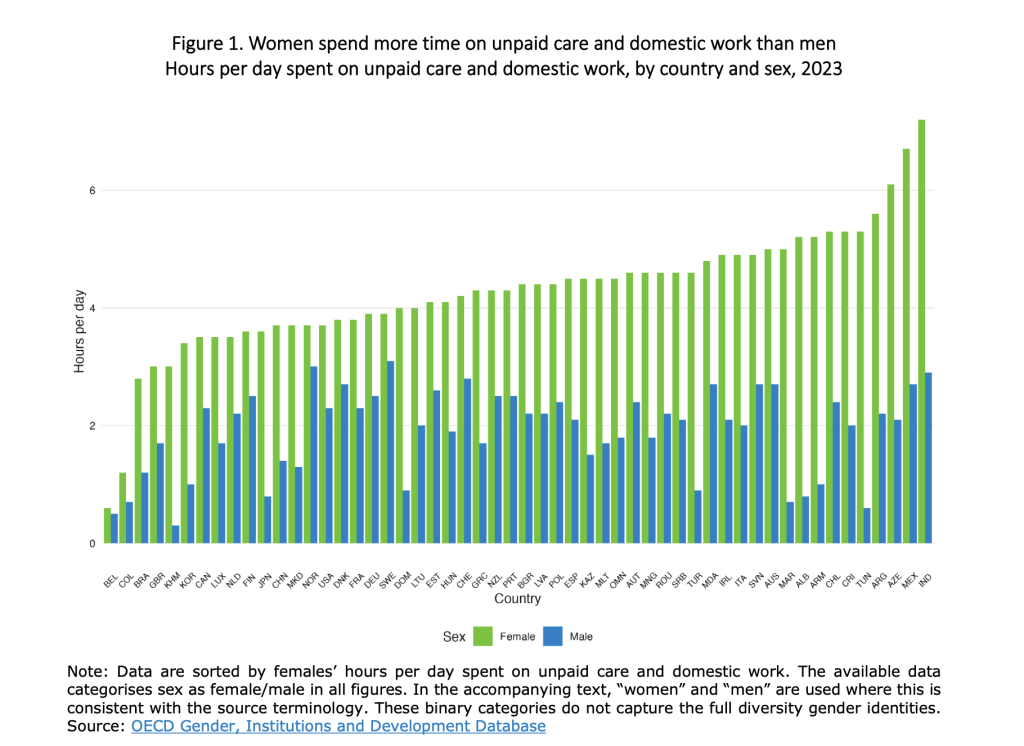
Using a series of international case studies the report considers how transport systems can best withstand shocks and urges policymakers to mainstream the daily experience of women, and their multi-faceted social roles, in transportation design. It warns that, when disruption occurs and trip chains break down, the impact is widely felt and serious beyond just inconvenience, potentially endangering families and deepening inequalities.
“As the nature of climate events evolve from one-off disruptions to compounded disasters with cascading impacts, standard approaches to planning for transport resilience need to become more responsive and inclusive", says the report's author, Josephine Macharia, a transportation analyst at the International Transport Forum. "Using a gender lens to look at the challenges faced by transport users gives us vital insight into their varied demands and capacities to adapt. This report sets out meaningful approaches for transport decision makers so that no-one gets left behind.”
Report graphic copyright International Transport Forum
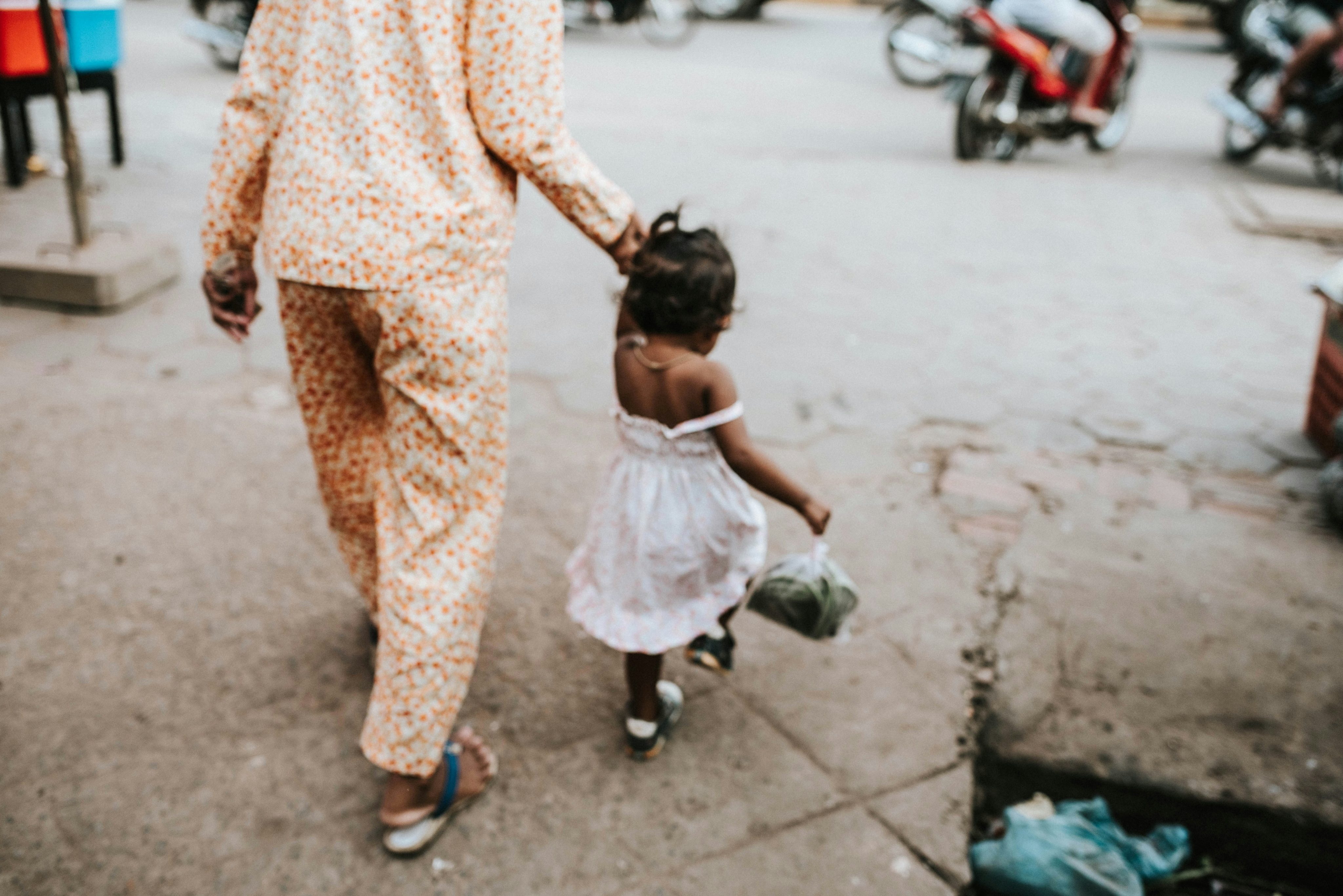
Photo by Kris Len Lu on Unsplash