
London Climate Week cooks in the heat
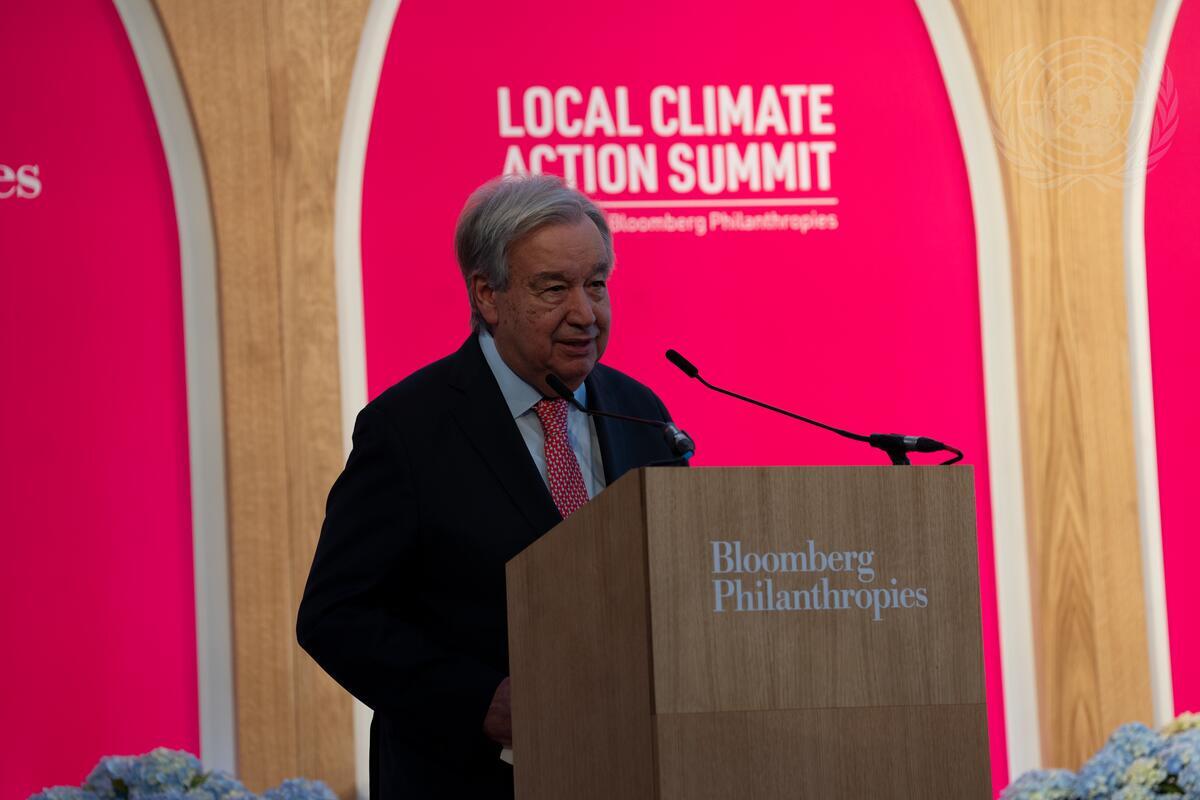
The realities of climate change hit London during its annual Climate Week, as temperatures hit the mid-30s Celsius, a red heat alert was issued, and some events – like London School of Economics’ half-day meeting on ‘governance and action in extreme heat’ – were cancelled.
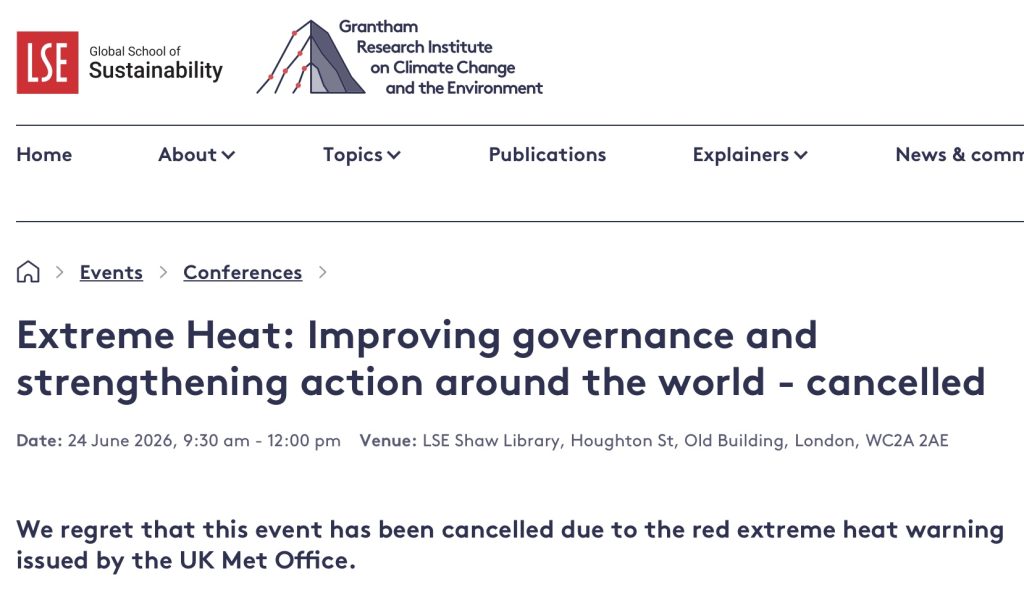
As the UN Secretary General Antionio Guterres put it in his keynote speech to delegates at a session that did survive the weather “…climate chaos is accelerating before our eyes. We have just lived through the eleven hottest years ever recorded. And today this city – and far beyond – are experiencing the hottest day of the year – with higher temperatures to come. London isn’t just calling – it’s cooking."
The centrepiece of Guterres’ speech was the launch of a new AI transparency initiative, calling on AI companies to set out the energy and resource cost of the AI revolution:
“I am calling on every major AI company to measure and publicly disclose the full environmental impact of its systems – carbon, water, and land footprints – and to commit to power every data centre with renewable energy by 2030. No more hidden costs. No more shifting the burden onto those least able to bear it. It is time to come clean. If AI is to help build a better future, it must be honest about what it costs us now.”
Transport was also high on the agenda. Michael Bloomberg joined London mayor Sadiq Khan to showcase Breathe Cities, a global air quality initiative with core presence in 14 cities, and activities in more than 60 cities, and announced a $45 million funding boost. “Through Breathe Cities, local leaders continue to lead the way in cleaning the air. Every step forward helps to save lives, improve public health, and reduce emissions – all while making cities better places to live and work. This new investment will build on the progress mayors are making – and help spread that progress to even more cities.”
Breathe Cities, first piloted in London and Paris, has helped local government to introduce electric bus fleets, improve air quality data and design interventions to reduce vehicle emissions and their health impact. Emmanuel Grégoire, Mayor of Paris, said: “Paris is undergoing a profound transformation to become a healthier and more breathable city. Over the past two decades, traffic has been cut in half within the city, freeing space for people, nature, and cleaner mobility. Through Breathe Cities, we are scaling up this shift — expanding school streets and creating greener, more child-friendly public spaces across neighborhoods. From 1,000 school streets to the transformation of major avenues into green, walkable corridors, we are on the way to progressively reshape Paris block by block.”
Photo copyright UN