
IDB report highlights health crisis of motorcycle crashes
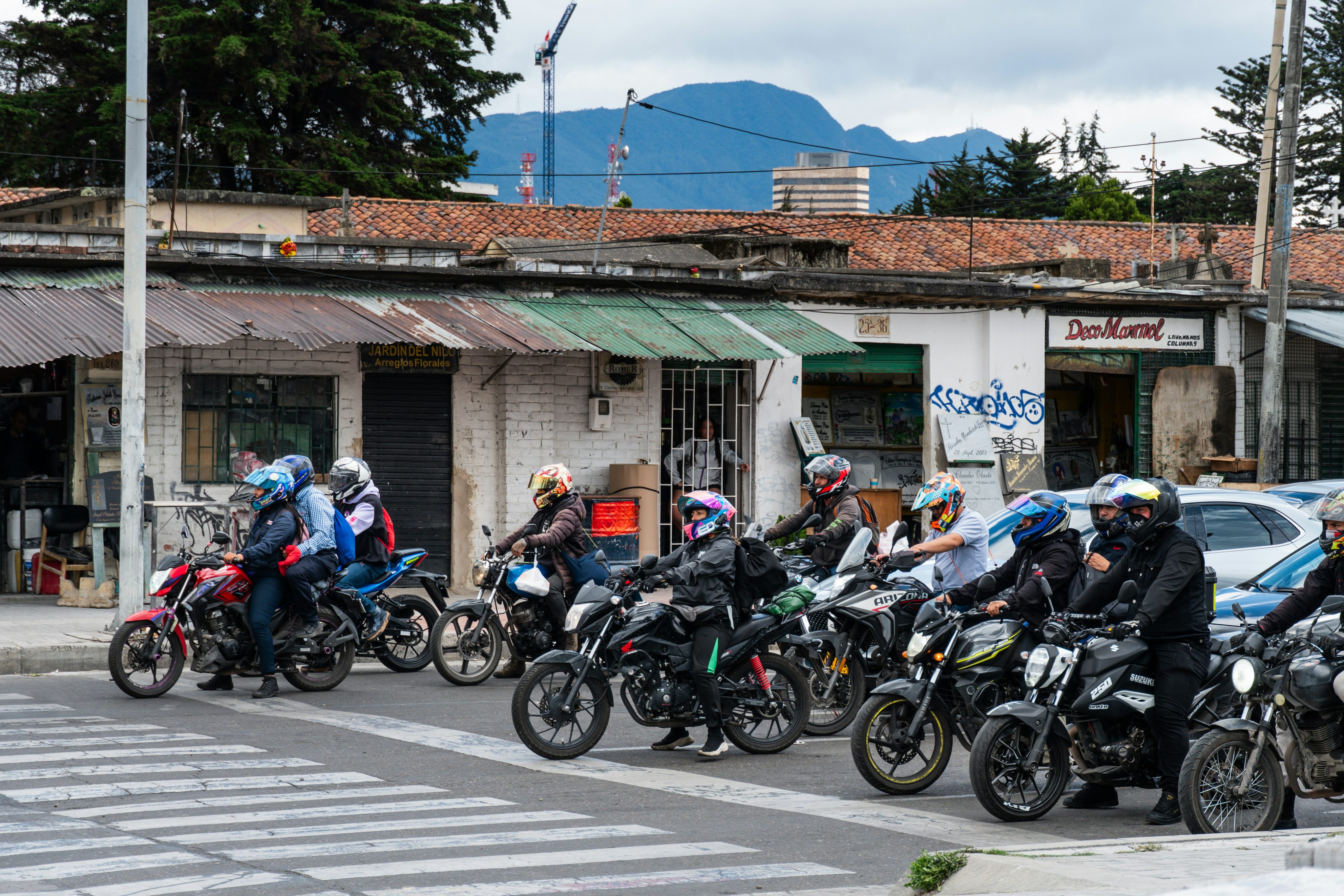
Strategies for responding to Latin America’s explosion in motorcycle use and rising number of rider casualties are set out in a new report from the Inter-American Development Bank (IDB).
Motorcyclist fatalities have increased by 98% between 2010 and 2024, despite an overall 2% reduction in total road traffic deaths in the region, and more than 30,000 people are killed in motorcycle crashes each year. To combat this crisis, equivalent to a toll of more than 200 commercial aeroplane crashes per year, Motorcyclists in Latin America: Current Situation, Lessons Learned and Recommended Best Practices for the Protection of its Users updates a 2022 report with new data and recommendations.
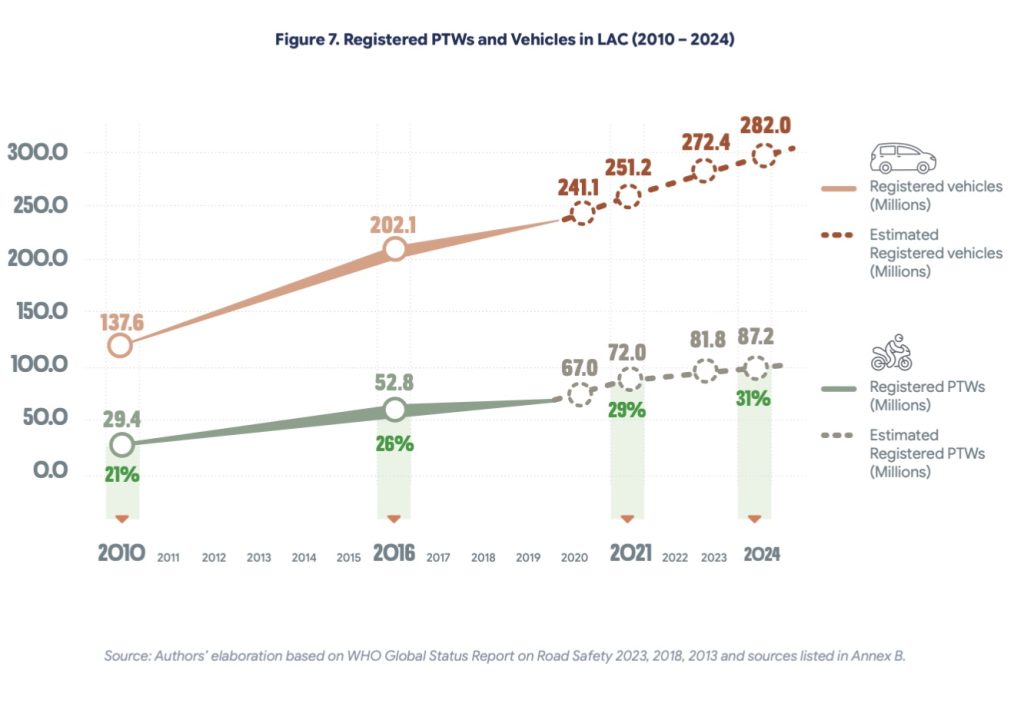
According to the IDB, the number of motorcycles in Latin America and the Caribbean increased by 197% between 2010 and 2024, and from 21% to 31% as a proportion of the overall vehicle fleet. The COVID-19 pandemic was a big spur in two-wheeler motorisation as people shunned public transportation and demand for gig-economy deliveries grew. Almost 90% of motorcyclist deaths are men, often young, low-income and economically active, reflecting their disproportionate exposure. However, the proportion of women using two-wheelers is rising, mostly as passengers but increasingly as riders.
The report builds on regional and global best practice to make policy recommendations in four areas: road design (including speed management, improved junction layout, designated motorcycle lanes and removal of roadside hazards); vehicles (adoption of ABS, daytime running lights); users (helmet legislation, standards and enforcement; rider training and licencing); and post-crash care (including advice on crash-scene helmet removal and stabilisation).
Read the full report here
Photo by Reza Madani on Unsplash