

Decade of inaction? NGOs review governments’ road safety statements
Halfway through the second UN Decade of Action for Road Safety many governments are still falling short in policy and implementation, a survey by the Global Alliance of NGOs for Road Safety has found.
Analysing the statements made by 68 governments at the UN High Level Meeting on Road Safety in July, the NGO Alliance looked for factors that suggested seriousness of implementation. Only 16 of the 68 governments mentioned the Safe System approach, which for many years now has been widely recognised and promoted by international institutions as the most effective framework for reduction of road death and serious injury. Fifty of these governments (74%) described their national road safety plan, yet only 38 mentioned a fatality reduction target and just 21 discussed the work of a national coordinating authority. Only 11 governments mentioned funding earmarked for road safety.
Road safety education and awareness were mentioned by ministers more than any other intervention, reflecting the continued dominant focus on road user behaviour above Safe System interventions to improve road and vehicle design and create protective environments for all road users. The NGO Alliance found that the quality of minister’s speeches has declined since the first High Level Meeting in 2022, with fewer mentions of speed management and other evidence-based policy, funding and strategic frameworks. Only 7 governments described specific speed management policies they are implementing. These 68 governments are the ones that bothered to turn up to the High Level Meeting and therefore, it could be assumed, are more proactive than some of their peers who didn’t attend.
The findings were discussed at meeting of the NGO Alliance this week, and testimony from NGOs in the field bear out a concerning picture of inconsistent delivery and patchy funding. Ethiopia provided one of the stronger statements at the High Level Meeting, yet Mesganaw Bimrew from the Save the Nation NGO in Ethiopia described fragmented road safety responsibilities and weak coordination across ministries and agencies resulting in slow implementation. In Brazil, according to Paulo Guimarães of ONSV, a review of 261 road safety actions due by the end of 2025 found evidence that only 36 had been completed. Richard Young Owere, from Ugandan NGO Legacy Road Safety Initiative, was concerned that Uganda’s National Road Safety Action Plan provides limited detail on which institutions must deliver specific actions, and warned that even the institutions identified have struggled to fulfil their responsibilities. He reported that police had cited political interference as a factor that undermines consistent enforcement.
To view the NGO Alliance analysis and discussion visit https://www.roadsafetyngos.org/events/global-plan-implementation-check-2026/
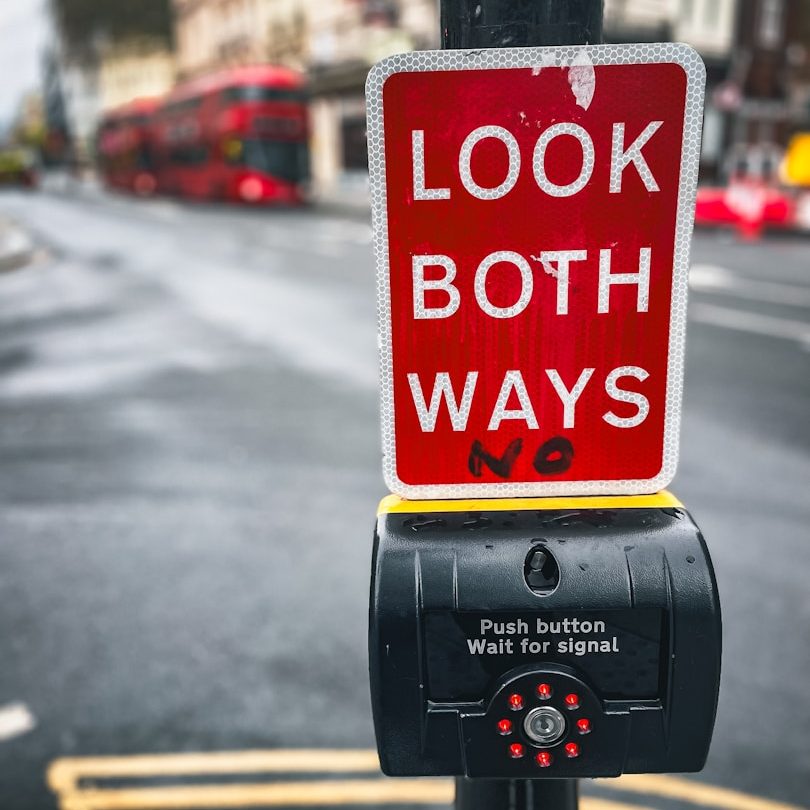
Photo by Clark Van Der Beken on Unsplash