
Children need climate-resilient transport, says UNICEF report
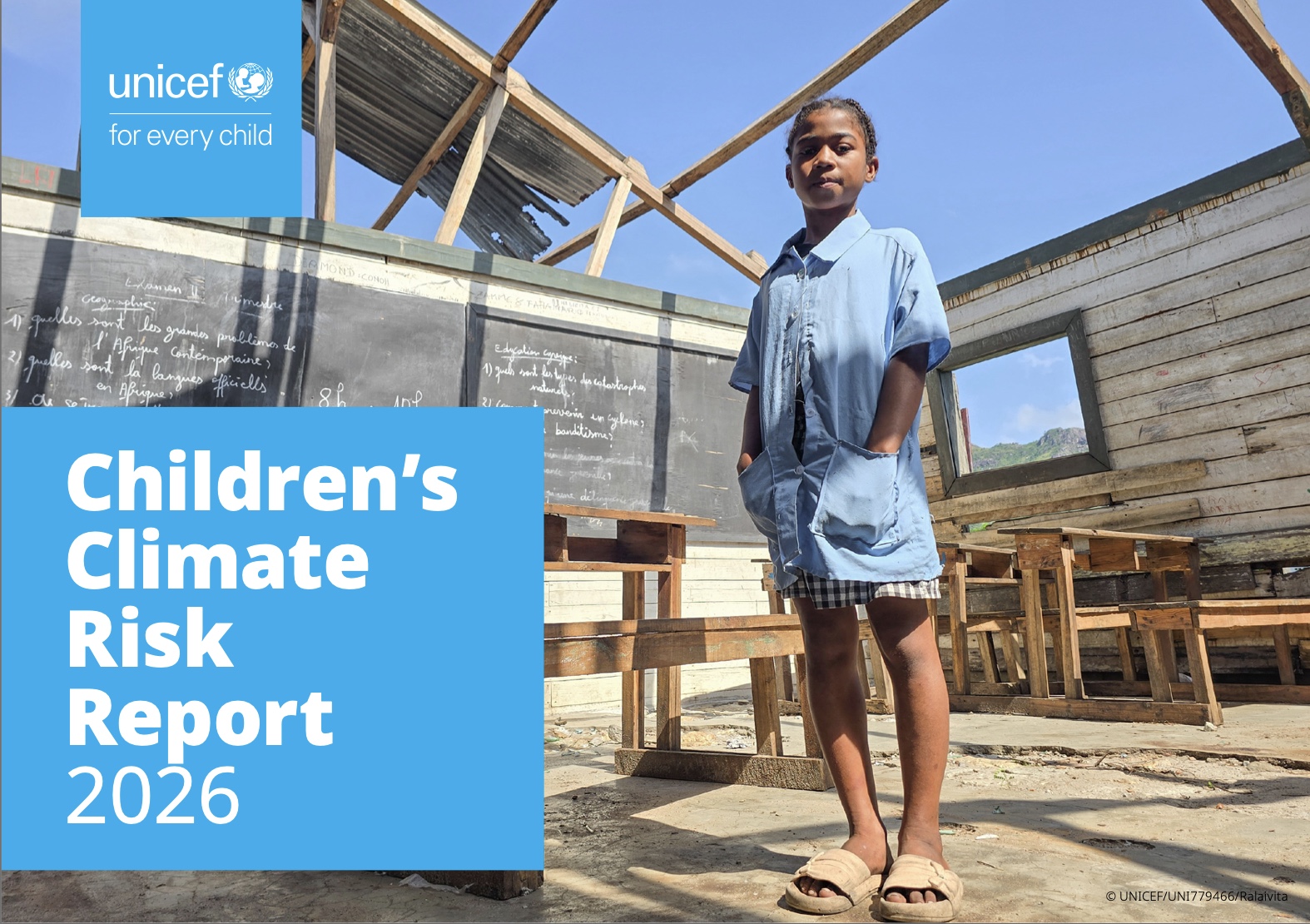
Governments, donors and local authorities should prioritise clean and resilient transport for children, according to UNICEF’s 2026 Children’s Climate Risk Report.
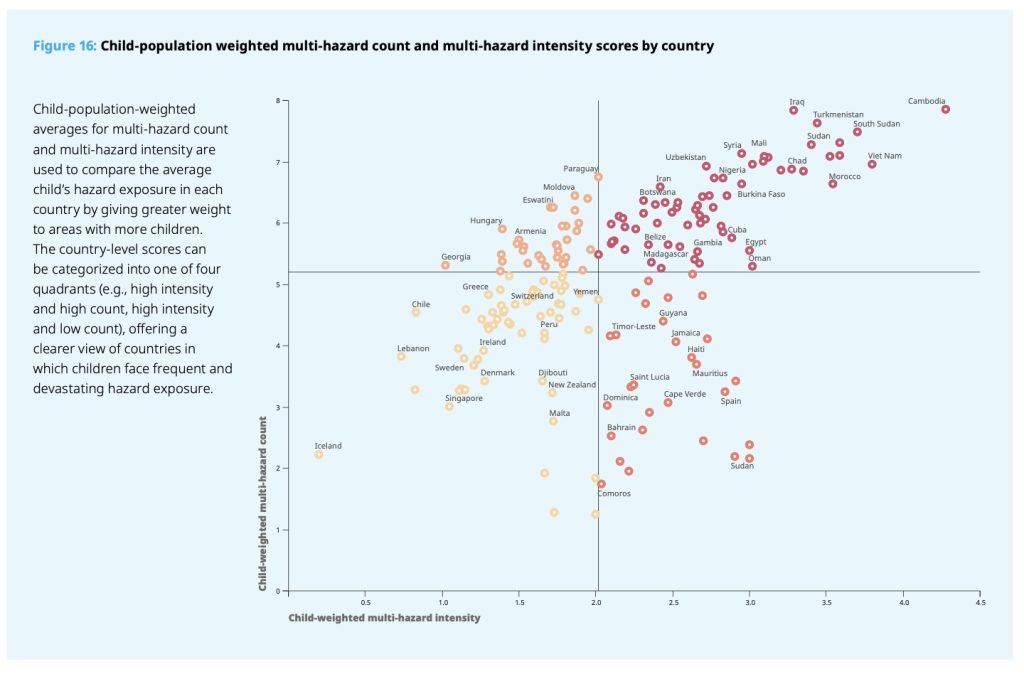
More than a billion children are regularly exposed to at least three overlapping climate hazards affecting their health and education. Climate related hazards including flood, fire, drought and extreme heat also pose direct and indirect risks to the survival of millions of children. Adaptation to the rapidly warming climate, including roads and transport infrastructure, is vital for safeguarding essential services, including heath provision, schooling, clean water and food supply, the agency warns.
The report, published today, also urges action to ensure that transport serves children while protecting the environment. “Ministries of transportation hold the responsibility for ensuring mobility is safe, clean and resilient, directly impacting the air children breathe and their access to essential services.” Clean, accessible and climate-resilient transport should be prioritised, and the transition to low-emission public and active transport accelerated. UNICEF highlights the importance of enabling walking and cycling on routes to schools and parks.
“Nearly every child” is affected by air pollution, according to the report’s analysis. “Children are highly susceptible to the health impacts of air pollution because of their unique physiological and developmental characteristics. Air pollution was the second leading risk factor for death among children under age five in 2023, after malnutrition.” Countries with the highest number of children exposed to ambient air pollution include those that are highly populated and have rapidly developing economies, such as India, Indonesia, Nigeria and Pakistan. In addition to macro clean energy and transport measures, UNICEF encourages governments to reform zoning rules to ensure that heavy industrial plant is not located near schools or playgrounds, or vice versa, and to establish “pollution-safe zones” around schools and communities.
“This analysis can help governments and decision-makers plan better and invest more effectively in resilient services,” said UNICEF’S Executive Director, Catherine Russell. “When we strengthen health and education systems, and improve infrastructure with children in mind, we protect them from today’s climate threats and help secure their future.”
See the full report here
Images copyright: UNICEF